Cheie de impact vs clichet: utilizați o cheie de impact pentru îndepărtarea și instalarea elementelor de fixare cu cuplu mare și utilizați un clichet pentru lucrări de precizie în spații înguste unde controlul cuplului contează. Aceste două instrumente nu sunt interschimbabile. O cheie de impact generează lovituri repetate de ciocan rotativ pentru a sparge rapid elementele de fixare încăpățânate, fără forță de reacție susținută pe încheietura mâinii. Un clichet transferă un cuplu manual sau pneumatic continuu direct la dispozitivul de fixare, cu feedback tactil complet, făcându-l potrivit pentru strângerea finală la o specificație de cuplu specifică sau pentru lucrul în zone restrânse în care o cheie cu impact fizic nu se potrivește.
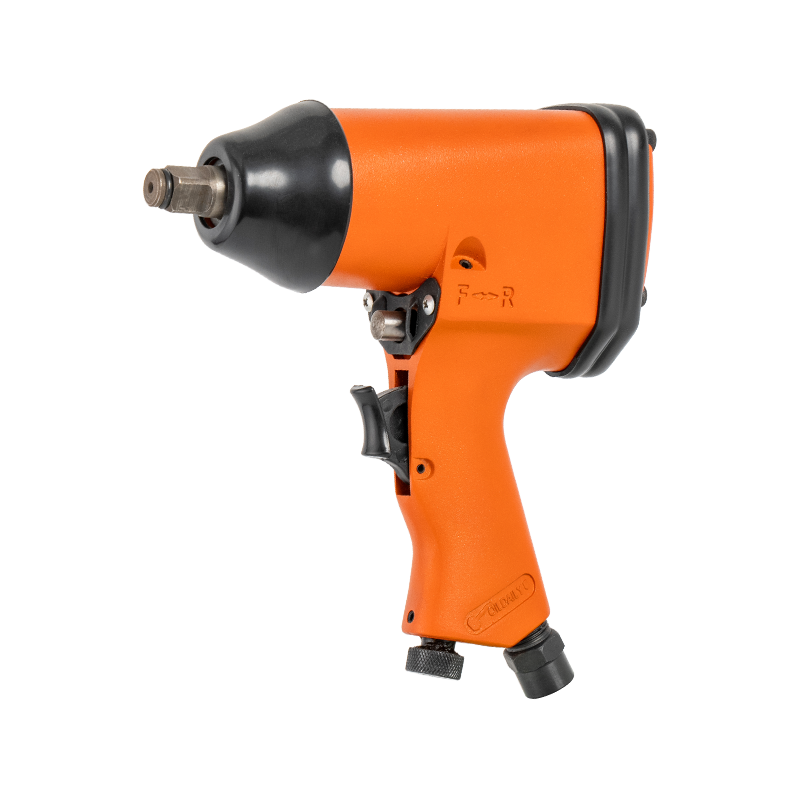
Cum funcționează o cheie de impact cu aer: aerul comprimat antrenează un motor de tip paletă care învârte un mecanism de ciocan, care oferă lovituri rapide cu impact rotativ către nicovala de ieșire la viteze de 1.000 până la 3.000 de lovituri pe minut. Fiecare lovitură transferă un pachet discret de cuplu, permițând instrumentului să genereze mult mai multă forță de slăbire decât ar sugera presiunea aerului aplicată.
Ce dimensiune cheie pentru dopul de ulei: cele mai comune dimensiuni ale dopurilor de scurgere a uleiului sunt de 14 mm, 17 mm și 19 mm pentru vehiculele de pasageri. Dimensiunea de 17 mm acoperă majoritatea vehiculelor japoneze și coreene, în timp ce 14 mm și 19 mm sunt mai frecvente pe vehiculele germane și, respectiv, americane. Verificați întotdeauna manualul de service al vehiculului dumneavoastră înainte de a cumpăra.
Pentru oricine care alege o cheie pneumatică cu impact pneumatic, punctul de intrare practic este un model de antrenare de 1/2 inch cu un cuplu de minim 450 de picioare-lire pentru lucrări auto generale și un model de antrenare de 3/4 inch sau 1 inch pentru aplicații de camioane și echipamente grele. Acest ghid acoperă toate cele patru subiecte în detaliu, astfel încât să puteți lua decizii sigure de selectare a instrumentelor.
Cheie cu impact vs clichet: înțelegerea diferenței reale
Ce face de fapt fiecare unealtă unui dispozitiv de fixare
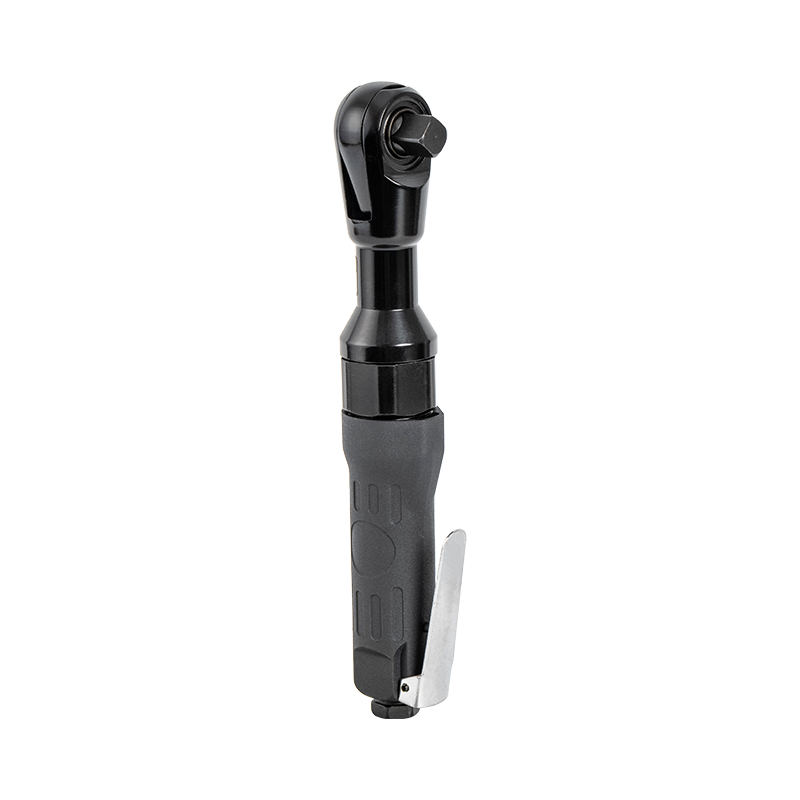
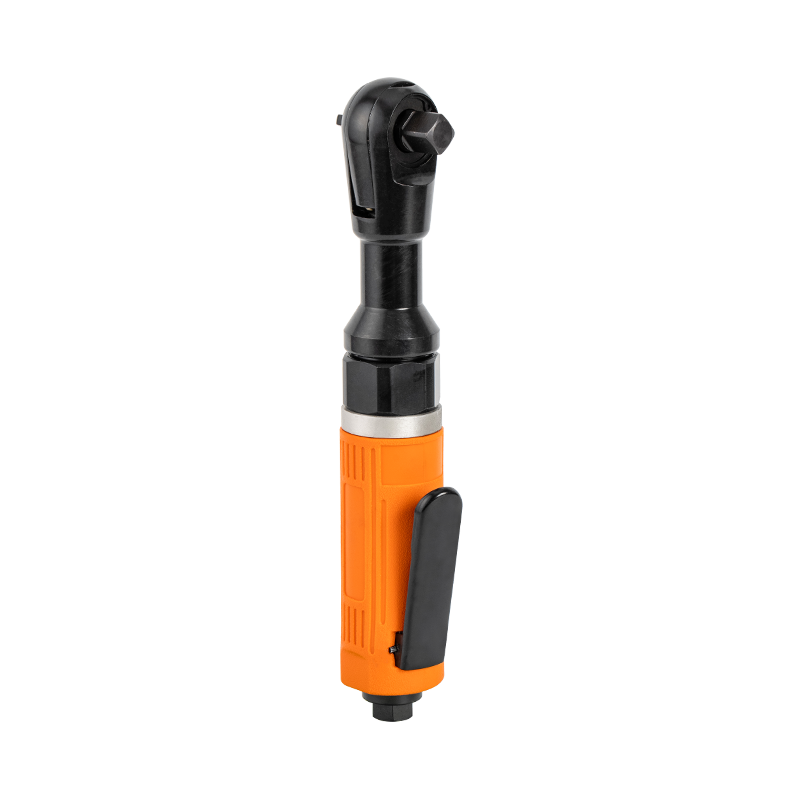
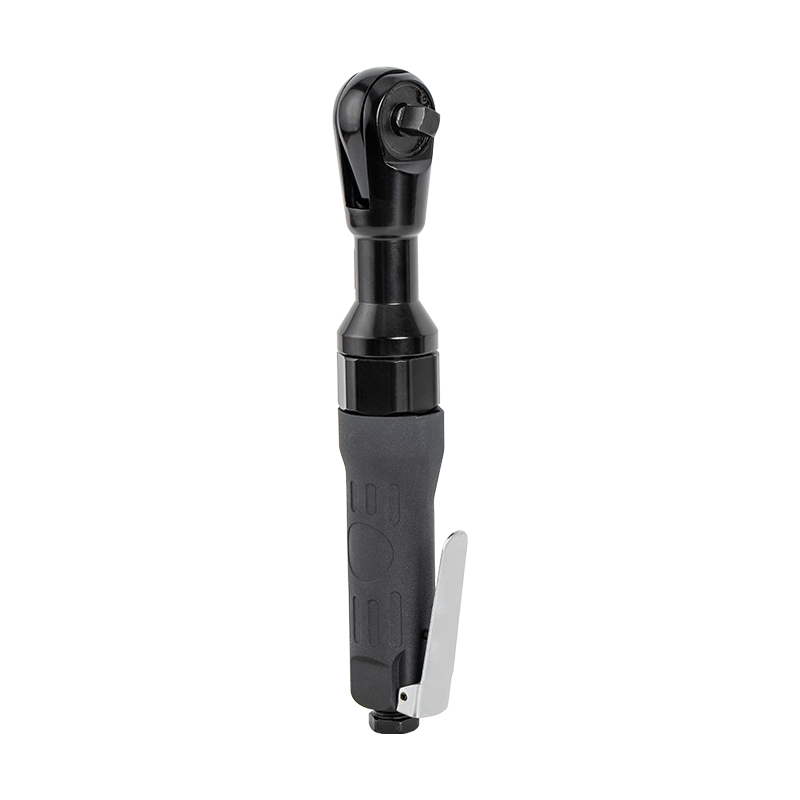
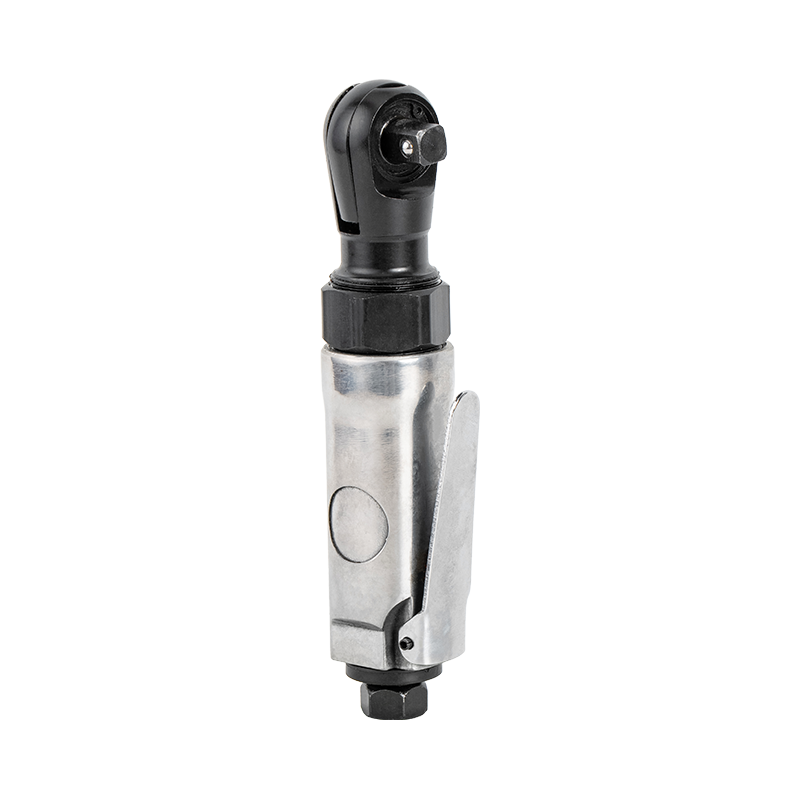
Diferența mecanică fundamentală dintre o cheie cu impact și un clichet se rezumă la modul în care este furnizat cuplul. Un clichet, fie manual, electric sau pneumatic, transferă cuplul într-un mod continuu, constant, direct de la antrenare la dispozitiv de fixare. Acest transfer continuu înseamnă că operatorul absoarbe orice forță de reacție atunci când dispozitivul de fixare este strâns, iar elementul de fixare primește orice cuplu pe care operatorul sau unealta îl aplică în acel moment. Un clichet pneumatic oferă de obicei un cuplu de 30 până la 120 de picioare-lire , care este suficient pentru majoritatea sarcinilor de îndepărtare și instalare a șuruburilor care nu implică elemente de fixare corodate sau strânse excesiv.
O cheie cu impact stochează energia cinetică într-o masă de ciocan rotativ și o eliberează prin lovituri de rotație discrete de mare intensitate împotriva nicovalei de ieșire. Deoarece fiecare lovitură are o durată extrem de scurtă, inerția elementului de fixare și a ansamblului înconjurător împiedică forța de reacție să se deplaseze înapoi în mâinile operatorului. O cheie pneumatică cu impact pneumatică standard de 1/2 inch oferă un cuplu de 400 până la 1.000 de lire-picior per lovitură , care este de cinci până la zece ori mai mare decât cuplul susținut al unui clichet pneumatic. Acesta este modul în care cheile de impact rup piulițele corodate și prind elemente de fixare care ar fi imposibil de îndepărtat cu un clichet.
Când să folosiți fiecare unealtă și când folosiți unul greșit cauzează probleme
Alegerea între cheie cu impact și clichet nu se referă doar la puterea de cuplu. Este vorba despre natura sarcinii și ce tip de livrare a cuplului poate tolera elementul de fixare și componentele din jur.
- Utilizați o cheie de impact pentru a îndepărta piulițele, piulițele axelor, șuruburile de suspensie și orice element de fixare care este probabil să fie corodat sau strâns semnificativ peste specificație. Mecanismul de impact întrerupe frecarea statică fără forță susținută care ar putea deteriora firele
- Utilizați o cheie cu impact pentru îndepărtarea rapidă și instalarea brută a unor cantități mari de elemente de fixare, unde viteza este prioritatea și cuplul final va fi verificat cu o cheie dinamometrică separat
- Utilizați un clichet pentru strângerea finală a oricărui element de fixare care are o specificație de cuplu specifică, deoarece cheile de impact nu pot fi setate în mod fiabil pentru a furniza o valoare exactă a cuplului fără prize specializate de limitare a cuplului.
- Utilizați un clichet în spațiile înguste unde capul mai mare al unei chei de impact nu poate ajunge, cum ar fi adânc în compartimentul motorului sau în spatele unui etrier de frână
- Nu folosiți niciodată o cheie de impact standard pentru a strânge componentele cu filet din plastic, elementele de fixare din aluminiu în carcase moi sau orice dispozitiv de fixare cu o specificație de cuplu sub 20 picioare-lire, deoarece mecanismul de impact strânge și îndepărtează în mod obișnuit aceste elemente de fixare.
Comparând cheia cu impact și clichetul unul lângă altul
| Caracteristică | Cheie de impact | Clichet (pneumatic) |
| Metoda de livrare a cuplului | Lovituri de ciocan rotativ | Rotire continuă |
| Cuplu de ieșire tipic | 400 până la 1.500 ft-lb (unitate de 1/2 inch până la 1 inch) | 30 până la 120 ft-lb |
| Forța de reacție asupra operatorului | Foarte scăzut datorită mecanismului de impact | Moderat, simțit direct |
| Precizia cuplului | Scăzut fără bețe de cuplu | Moderat |
| Cel mai bun pentru spații înguste | Limitat de dimensiunea capului sculei | Cap excelent, cu profil redus |
| Viteza de îndepărtare a elementelor de fixare | Foarte rapid | Moderat |
| Risc de strângere excesivă | Ridicat fără control al cuplului | Scăzut |
| Consumul de aer (CFM) | 4 până la 10 CFM la 90 PSI | 1 până la 3 CFM la 90 PSI |
| Greutate tipică (unitate de 1/2 inch) | 1,5 până la 2,5 kg | 0,5 până la 1,0 kg |
Comparație cuprinzătoare între cheia cu impact și clichetul în funcție de parametrii cheie de performanță, cuplu și utilizare
Cum funcționează o cheie de impact cu aer: Mecanica internă explicată
Etapa 1: Aerul comprimat antrenează motorul cu palete
Înțelegerea modului în care un cheie de impact cu aer lucrul începe la intrarea aerului. Aerul comprimat la presiunea de funcționare de 90 PSI (presiunea standard de alimentare reglată pentru majoritatea uneltelor pneumatice) intră în unealtă printr-o supapă controlată de declanșare. Aerul curge într-o cameră cilindrică a rotorului unde acționează asupra unei serii de palete plate montate radial în fante de-a lungul corpului rotorului. Diferența de presiune pe palete face ca rotorul să se rotească. Un motor cu palete bine proiectat într-o cheie pneumatică cu impact cu aer se rotește la 8.000 până la 12.000 RPM în condiții de gol , mult mai rapid decât ar putea susține orice motor electric de dimensiune echivalentă într-o unealtă portabilă.
Arborele de ieșire al motorului cu palete se conectează la mecanismul ciocanului. Motorul în sine nu are suficient cuplu susținut pentru a desprinde direct un element de fixare prins, motiv pentru care este necesar mecanismul de impact. Rolul motorului este de a furniza energia de rotație pe care mecanismul ciocanului o stochează și o eliberează în rafale concentrate.
Etapa a doua: Mecanismul Hammer Stochează și eliberează energie
Inima modului în care funcționează o cheie cu impact pneumatic este mecanismul de impact cu ciocanul și nicovala. Cel mai comun design este mecanismul cu ciocan dublu (sau cu ciocan dublu). Motorul antrenează o placă cu came care traduce rotația într-o mișcare combinată de rotație și axială a două mase de ciocan montate simetric în jurul nicovalei centrale. Pe măsură ce motorul învârte ansamblul ciocanului, placa cu came permite ciocanelor să accelereze în rotație și apoi să se elibereze brusc, lovind urechile proeminente de pe nicovală atât cu impulsul de rotație, cât și cu forța de compresie simultan.
Fiecare ciclu complet de lovire a ciocanului oferă o lovitură de impact discretă de mare energie în nicovală . La viteze de funcționare, acest lucru are loc de 1.000 până la 3.000 de ori pe minut, în funcție de designul sculei și de rezistența oferită de dispozitivul de fixare. Când elementul de fixare este slăbit și se rotește liber, impactul este ușor și rapid. Pe măsură ce rezistența elementului de fixare crește (când elementul de fixare este strâns sau prins), mecanismul ciocanului se cuplează mai agresiv și fiecare lovitură oferă mai multă energie. Acest comportament de autoreglare este o proprietate inerentă a designului mecanismului de impact și este ceea ce conferă cheii pneumatice cu impact cu aer sunet de zgomot caracteristic și capacitatea sa de a concentra energia pe elementele de fixare rezistente.
Etapa a treia: nicovala transferă cuplul la priză
Nicovala este arborele de ieșire al cheii pneumatice cu impact cu aer. Acesta primește loviturile de ciocan rotativ și le transmite către priza de antrenare printr-un fiting pătrat. Materialul nicovală trebuie să fie extrem de dur pentru a rezista la milioane de cicluri de impact fără crăpare de oboseală. nicovalele de calitate în cheile pneumatice cu impact pneumatic de calitate profesională sunt prelucrate din oțel aliat crom-molibden și întărite până la aproximativ 45 până la 55 HRC , oferind atât duritate pentru a rezista la deformare, cât și suficientă tenacitate pentru a rezista la rupere sub încărcare de impact.
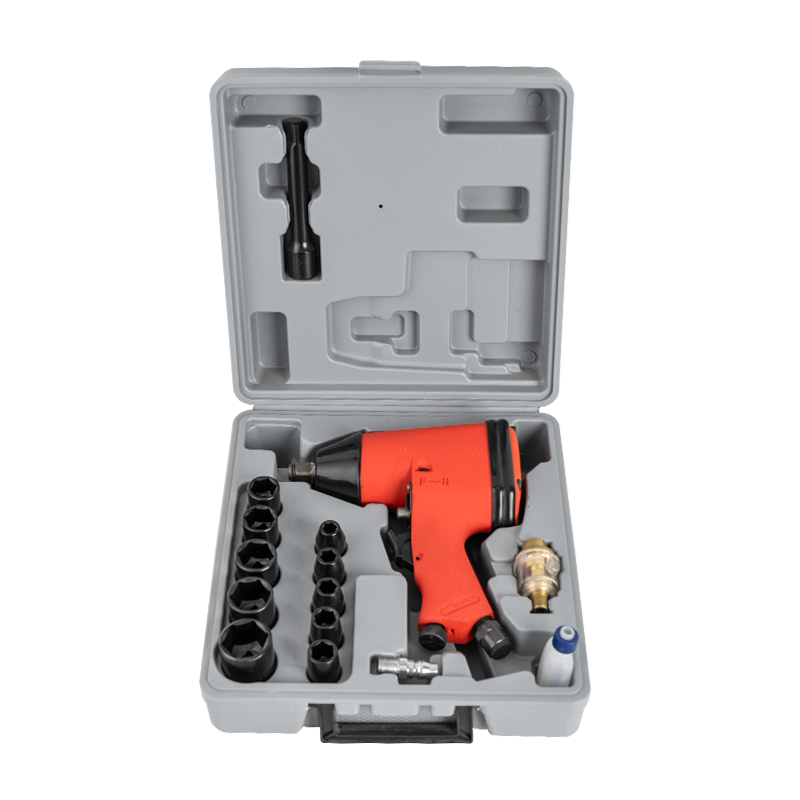
Dimensiunile de antrenare pătrate de pe nicovale (1/4 inch, 3/8 inch, 1/2 inch, 3/4 inch, 1 inch) corespund dimensiunilor standard ale unității prizei, dar este esențial să folosiți prize cu grad de impact mai degrabă decât prize de mână standard crom-vanadiu cu orice cheie de impact. Prizele standard sunt proiectate pentru un cuplu constant și se pot sparge la șocurile repetate ale unui mecanism de impact, creând un pericol grav de reziduuri zburătoare.
Debitul de aer, presiunea și cerințele CFM
Performanța oricărei chei pneumatice cu impact cu aer este direct limitată de volumul de aer comprimat pe care compresorul și furtunul de livrare îl pot furniza. Două specificații guvernează acest lucru: PSI (lire pe inch pătrat) și CFM (piciori cubi pe minut). PSI este presiunea din sursa de aer; CFM este debitul volumic. Majoritatea cheilor pneumatice cu impact pneumatic cu acționare de 1/2 inch necesită 4 până la 6 CFM la 90 PSI pentru performanță maximă . Un compresor cu o valoare CFM inadecvată va face ca unealta să piardă progresiv puterea în timpul utilizării, pe măsură ce presiunea din rezervor scade între ciclurile compresorului, indiferent de cât de mare este PSI nominală a compresorului.
Diametrul furtunului de alimentare cu aer afectează, de asemenea, în mod semnificativ performanța sculei. Un furtun cu diametrul interior de 3/8 inch suportă până la aproximativ 5 până la 6 CFM fără cădere excesivă de presiune pe lungimea furtunului, în timp ce un furtun cu diametrul interior de 1/2 inch suportă 8 până la 10 CFM sau mai mult. Pentru o cheie pneumatică cu impact de aer cu antrenare de 3/4 inch sau 1 inch care necesită 8 până la 10 CFM, un furtun de 1/2 inch este obligatoriu pentru o performanță maximă.
Ce dimensiune cheie pentru dopul de ulei: Referința completă în funcție de originea vehiculului
De ce variază dimensiunea dopului de scurgere a uleiului și de ce contează
Întrebarea cu privire la dimensiunea cheii pentru dopul de ulei apare deoarece nu există o standardizare universală a dimensiunii dopului de scurgere a uleiului la producătorii de vehicule, iar utilizarea unei prize de dimensiune greșită dăunează atât capului, cât și mufei. Un dopul de scurgere a uleiului deteriorat care se rotunjește nu poate fi îndepărtat cu o priză standard și necesită unelte de extracție sau o înlocuire completă a baii de apă în cele mai rele cazuri. Obținerea mărimii chiar înainte de a începe este cel mai important pas în orice procedură de schimbare a uleiului.
Majoritatea dopurilor de scurgere a uleiului folosesc o configurație cu șuruburi cu cap hexagonal în care dimensiunea cheii se referă la dimensiunea transversală a capului hexagonal. Unele vehicule folosesc ștecheri cu cheie hexagonală, iar unele folosesc ștecheri pătrați. Confirmați întotdeauna tipul capului de fișă, precum și dimensiunea înainte de a începe lucrul.
Dimensiunea dopului de scurgere a uleiului după marca comună a vehiculului
| Marca vehiculului | Modele comune | Dimensiunea dopului de scurgere a uleiului | Tip cap de fișă | Specific cuplu tipic |
| Toyota | Camry, Corolla, RAV4, Hilux | 14 mm | Cap hexagonal | 27 până la 36 Nm |
| Honda | Civic, CR-V, Accord, Jazz | 17 mm | Cap hexagonal | 29 până la 44 Nm |
| Nissan | Qashqai, X-Trail, Navara | 14 mm | Cap hexagonal | 25 până la 35 Nm |
| Hyundai / Kia | i30, Tucson, Sportage, Elantra | 17 mm | Cap hexagonal | 29 până la 44 Nm |
| Volkswagen | Golf, Passat, Tiguan | 19 mm | Cap hexagonal | 25 până la 30 Nm |
| BMW | Seria 3, Seria 5, X3, X5 | 17 mm | Cap hexagonal or Allen key | 25 până la 35 Nm |
| Ford | Focus, Ranger, F-150, Mustang | 15 mm sau 18 mm (variază în funcție de motor) | Cap hexagonal | 20 până la 34 Nm |
| Chevrolet / GM | Silverado, Malibu, Equinox | 15 mm | Cap hexagonal | 20 până la 25 Nm |
| Subaru | Outback, Forester, Impreza | 17 mm | Cap hexagonal | 35 până la 44 Nm |
Dimensiunile cheii pentru dopuri de scurgere a uleiului, de către producătorul vehiculului, cu tipul de cap al dopului și specificațiile tipice ale cuplului pentru reinstalare
De ce nu ar trebui să folosiți o cheie de impact pentru a îndepărta sau a reinstala un dop de ulei
Acesta este unul dintre cele mai importante puncte practice cu privire la întrebarea ce dimensiune a cheii pentru dopul de ulei. Chiar și atunci când cunoașteți dimensiunea corectă, utilizarea unei chei pneumatice cu impact pentru a îndepărta sau a reinstala un dopul de scurgere a uleiului este o practică proastă pentru majoritatea vehiculelor de pasageri. Butoanele de scurgere a uleiului filet în baile de aluminiu sau oțel cu o specificație de cuplu de strângere de obicei 20 până la 44 Nm (15 până la 32 picioare-lire) . O cheie pneumatică cu impact cu aer la cea mai scăzută putere oferă încă impulsuri de impact care fac foarte ușor să strângeți peste această specificație în timpul reinstalării, zdrobirii șaibei de etanșare, distorsionând filetele baii sau scoaterea completă a colectorului de aluminiu moale.
Procedura corectă este să desfaceți ștecherul cu un clichet și cu mufa de dimensiune corectă, să scurgeți uleiul cu mâna și să reinstalați și să strângeți ștecherul cu mâna plus o strângere finală cu clichetul, urmată de verificarea cu o cheie dinamometrică dacă doriți precizie. Dacă ștecherul este sever prins din cauza strângerii excesive de către un service anterior, este acceptabilă o explozie scurtă de la o cheie cu impact pentru a sparge rezistența inițială, dar finalizați întotdeauna reinstalarea cu o cheie dinamometrică.
Cheie pneumatică cu impact cu aer: selectarea modelului potrivit pentru aplicația dvs
Dimensiunea antrenamentului și evaluarea cuplului: potrivirea unealta la lucrare
Familia de chei pneumatice cu impact pneumatic cuprinde dimensiuni de antrenare de la 1/4 inch la 1 inch și mai mult pentru aplicații industriale. Dimensiunea antrenamentului determină dimensiunea maximă a tijei prizei pe care o acceptă unealta și este un indicator aproximativ al clasei de cuplu în care operează unealta. Selectarea dimensiunii corecte a acționării este prima decizie atunci când specificați orice cheie pneumatică cu impact pneumatic.
- unitate de 1/4 inch: 30 până la 100 picioare-lire, potrivite pentru elementele de fixare mici în lucrările în compartimentul motorului, ornamentele interioare și asamblarea ușoară. Nu este potrivit pentru piulițe sau șuruburi de suspensie
- unitate de 3/8 inch: 100 până la 300 de lire-picior, potrivit pentru dezasamblarea generală a autovehiculelor, inclusiv etriere de frână, șuruburi pentru accesorii pentru motor și componente de evacuare
- unitate de 1/2 inch: 300 până la 1.000 de lire-picior, standardul auto profesional pentru piulițe, componente de suspensie, piulițe pentru axe și elemente de fixare a transmisiei. Aceasta este cea mai versatilă și mai larg specificată dimensiune de cheie pneumatică cu impact pneumatic pentru un garaj sau atelier
- unitate de 3/4 inch: 800 până la 2.500 de lire-picior, pentru camioane grele, autobuze și echipamente agricole unde cerințele mari ale cuplului de fixare depășesc capacitatea uneltelor de antrenare de 1/2 inch
- unitate de 1 inch: 1.500 până la 6.000 de lire-picior sau mai mult, pentru echipamente miniere, mașini grele de construcții și elemente de fixare industriale mari
Specificații cheie de evaluat atunci când cumpărați o cheie pneumatică cu impact pneumatic
Dincolo de dimensiunea unității, mai multe specificații tehnice determină în mod direct dacă o cheie pneumatică cu impact cu aer va funcționa adecvat pentru aplicațiile dorite:
- Cuplul maxim (cuplul de slăbire): cuplul maxim pe care îl poate furniza unealta în direcția de slăbire. Acesta este întotdeauna mai mare decât valoarea nominală a cuplului de strângere și este cifra relevantă pentru îndepărtarea elementelor de fixare gripate. Pentru lucrări generale de automobile la mașinile de pasageri, este practic un cuplu de slăbire de minim 450 de picioare-lire; 600 până la 800 picioare-lire oferă o marjă de siguranță confortabilă pentru elementele de fixare afectate de coroziune
- Impacturi pe minut (IPM): viteza cu care mecanismul ciocanului lovește nicovala. IPM mai mare mărește viteza de îndepărtare a elementelor de fixare, dar nu crește neapărat cuplul maxim pe lovitură. Cele mai multe chei pneumatice de impact profesionale de 1/2 inch funcționează la 1.000 până la 2.300 IPM
- Consum de aer (CFM): debitul volumic al aerului comprimat pe care instrumentul îl necesită la sarcină maximă. Potriviți acest lucru cu puterea nominală CFM a compresorului dvs. cu o marjă de cel puțin 20 la sută pentru a evita pierderea de performanță pe măsură ce presiunea rezervorului compresorului ciclul
- Presiune de lucru (PSI): presiunea de lucru proiectată, aproape universal 90 PSI pentru cheile pneumatice cu impact pneumatice de atelier standard. Funcționarea sub această presiune reduce proporțional cuplul de ieșire
- Controlul puterii înainte și înapoi: Cheile pneumatice cu impact pneumatic, mai bine specificate, oferă reglarea puterii în mai multe poziții, cu comenzi separate înainte și înapoi, permițând setarea uneltelor la o putere redusă pentru strângere, păstrând în același timp puterea maximă pentru slăbire
- Greutatea și echilibrul sculei: pentru lucrări de volum mare în care unealta este ținută pentru perioade lungi de timp, ergonomia contează în mod semnificativ. Cheile pneumatice de impact cu aer de calitate din clasa de 1/2 inch cântăresc între 1,5 și 2,5 kg. Uneltele semnificativ mai grele decât acestea din aceeași clasă indică de obicei un design intern mai puțin eficient sau carcase mai grele, fără beneficii proporționale ale performanței
Practici de întreținere care prelungesc durata de viață a cheii pneumatice cu impact pneumatic
O cheie pneumatică cu impact cu aer este o unealtă de precizie cu spațiu liber interior strâns, care depinde de aer curat, uscat și lubrifiat pentru performanță fiabilă și durată lungă de viață. Cea mai importantă practică de întreținere este ungerea zilnică în linie.
- Adăugați trei până la cinci picături de ulei de scule pneumatice direct în orificiul de admisie al cheii pneumatice cu impact cu aer înainte de fiecare sesiune de utilizare. Acest lucru lubrifiază motorul paletelor și mecanismul ciocanului și previne uzura accelerată a suprafețelor interioare
- Instalați și întrețineți o unitate de filtru de aer-regulator-lubrificator (FRL) în linie pe alimentarea cu aer a atelierului. Filtrul îndepărtează contaminarea cu apă și particule, regulatorul menține constant 90 PSI, iar lubrifiatorul asigură lubrifierea automată măsurată pentru toate uneltele de pe linie.
- Goliți zilnic rezervorul compresorului de aer în medii umede pentru a preveni trecerea apei în conductele de aer și unelte. Apa din alimentarea cu aer cauzează coroziunea internă a motorului cu palete și a mecanismului ciocanului, cauza principală a degradării premature a performanței la cheile pneumatice cu impact cu aer.
- Inspectați și curățați periodic filtrul ecranului de admisie a aerului de pe unealtă. O sită de admisie blocată reduce fluxul de aer și provoacă pierderi vizibile de putere înainte de apariția oricărui alt simptom de uzură
- Reconstruiți motorul paletei și mecanismul ciocanului la fiecare doi până la trei ani într-un mediu de atelier de utilizare profesională. Seturile de motor cu palete de schimb pentru chei pneumatice de impact cu aer de calitate sunt disponibile de la producător și restabilesc performanța inițială la o fracțiune din costul unei scule noi
Întrebări frecvente
1. Pot folosi o cheie cu impact în loc de o cheie dinamometrică pentru strângerea finală a elementelor de fixare?
Nu. O cheie pneumatică cu impact pneumatic standard nu poate furniza în mod fiabil o anumită valoare a cuplului, deoarece mecanismul de impact nu permite un control precis al cuplului. Cuplul furnizat per lovitură variază în funcție de fluctuațiile presiunii aerului, rezistența elementelor de fixare, uzura sculei și mulți alți factori. Bastoanele de cuplu (numite și bare de prelungire limitatoare de cuplu) pot aproxima un cuplu țintă atunci când sunt utilizate cu o cheie de impact, dar nu înlocuiesc o cheie dinamometrică calibrată pentru elementele de fixare critice, cum ar fi șuruburile chiulasei, piulițele rulmenților roților sau capacele bielei. Utilizați întotdeauna o cheie dinamometrică calibrată pentru orice element de fixare cu o valoare a cuplului specificată de producător.
2. Care este diferența dintre cuplurile nominale înainte și înapoi la o cheie pneumatică cu impact cu aer?
Cheile de impact furnizează un cuplu mai mare în direcția inversă (slăbire) decât în direcția înainte (strângere) prin proiectare. Mecanismul ciocanului este optimizat pentru direcția inversă, deoarece slăbirea elementelor de fixare prinse este sarcina principală. O cheie pneumatică cu impact pneumatic de 1/2 inch obișnuită ar putea avea un cuplu invers (slăbire) de 600 de picioare-lire și un cuplu de strângere de 450 de picioare-lire. Când comparați produse, concentrați-vă întotdeauna asupra coeficientului de cuplu invers, care reprezintă capacitatea reală a sculei pentru cele mai solicitante sarcini.
3. Ce dimensiune de cheie pentru dopul de ulei pe Toyota Camry în mod specific?
Toyota Camry în majoritatea anilor de model, din 2002 până în prezent, folosește un dop de scurgere de ulei cu cap hexagonal de 14 mm. Specificația cuplului de reinstalare este de obicei de 27 până la 36 Nm (20 până la 27 picioare-lire). Instalați întotdeauna o nouă șaibă de etanșare la fiecare schimbare a uleiului dacă șaiba existentă este din aluminiu de tip zdrobire, deoarece reutilizarea unei șaibe prăbușite duce adesea la o etanșare de plâns la dopul de scurgere în primii câțiva kilometri după service.
4. Cât de mult CFM are nevoie compresorul meu pentru a funcționa corect o cheie pneumatică de impact cu aer de 1/2 inch?
O cheie pneumatică de impact cu aer de 1/2 inch la sarcină maximă necesită 4 până la 6 CFM la 90 PSI. Compresorul dumneavoastră ar trebui să aibă o livrare susținută nominală (nu de vârf) CFM de cel puțin 5 până la 7 CFM pentru a oferi o marjă de lucru. Majoritatea compresoarelor portabile de 25 de litri sau mai mici cu motoare de 1,5 până la 2 cai putere furnizează doar 3 până la 4 CFM, ceea ce este limită pentru utilizarea cheie cu impact susținut. Aceste compresoare pot rula o cheie de impact pentru explozii scurte, dar se vor strădui să țină pasul în timpul utilizării prelungite. Pentru o unealtă principală de atelier, un compresor de 50 de litri sau mai mare, cu o putere nominală de 6 CFM sau mai mult, este minimul practic.
5. Este mai bine o cheie de impact sau un clichet pentru a scoate șuruburile etrierului de frână?
Un clichet cu dimensiunea corectă a soclului este alegerea mai bună pentru șuruburile etrierului de frână în majoritatea cazurilor. Șuruburile știftului de ghidare ale etrierului și șuruburile suportului etrierului sunt de obicei strânse la 25 până la 45 Nm (18 până la 33 picioare-lire), ceea ce se află în intervalul confortabil al unui clichet manual sau al unui clichet pneumatic. Spațiul restrâns din jurul ansamblurilor de frână împiedică adesea din punct de vedere fizic o cheie cu impact de dimensiune completă să ajungă la șuruburi la unghiul corect. Dacă șuruburile sunt prinse din cauza coroziunii, este acceptabilă o explozie scurtă de la o cheie cu impact pentru a sparge rezistența inițială, dar finalizați demontarea și reinstalarea cu o cheie dinamometrică pentru a evita deteriorarea filetelor suportului etrierului.
6. De ce cheia mea pneumatică cu impact cu aer pierde putere în timp în timpul utilizării?
Pierderea de putere în timpul utilizării indică cel mai frecvent faptul că compresorul dumneavoastră de aer nu poate furniza suficient CFM pentru a susține cererea instrumentului. Pe măsură ce presiunea din rezervorul compresorului scade între ciclurile compresorului, debitul de aer către unealtă scade, iar puterea cuplului scade proporțional. Aceasta este o problemă de capacitate a compresorului, mai degrabă decât o problemă de scule. Dacă pierderea de putere este persistentă chiar și cu un rezervor plin la 90 PSI, cauza este mai probabil un filtru de aer de admisie înfundat în mașină, paletele uzate ale motorului cu palete (care pot fi inspectate și înlocuite ca parte a unei reconstruiri de rutină) sau coroziunea internă de la contaminarea cu apă în alimentarea cu aer.
7. Ce tip de prize trebuie să folosesc cu o cheie cu impact?
Utilizați întotdeauna prize cu grad de impact, identificabile prin finisajul lor cu oxid negru și pereții mai groși, mai degrabă decât prize de mână standard crom-vanadiu cu orice cheie de impact. Prizele de mână standard sunt întărite și fragile, proiectate pentru o sarcină de torsiune constantă. Încărcarea repetată cu șoc a unui mecanism de impact poate provoca ruperea fragilă a prizei standard, ejectând fragmente metalice de mare viteză. Prizele de impact sunt fabricate din oțel mai dur, întărit, care absoarbe șocul fără a se fractura. Aceasta nu este o sugestie, ci o cerință fundamentală de siguranță pentru orice utilizare a cheilor de impact.
8. Cum se compară o cheie de impact cu aer cu o cheie de impact electrică fără fir pentru utilizare în atelier?
O cheie pneumatică de impact cu aer de calitate oferă mai mult cuplu per greutatea sculei și per dolar decât majoritatea cheilor de impact electrice fără acumulator la puncte de preț echivalente și își menține cuplul în mod constant pe parcursul unei sesiuni de lucru prelungite, fără probleme de epuizare a bateriei. Cheile de impact electrice fără fir oferă avantajele semnificative ale portabilității fără furtun de aer și capacitatea de a lucra departe de un compresor. Pentru un atelier fix cu alimentare permanentă cu aer, o cheie pneumatică cu impact cu aer rămâne alegerea preferată pentru performanță profesională pe cost. Pentru utilizare mobilă sau un atelier fără compresor, o cheie de impact electrică fără fir de calitate este o alternativă practică.
9. Pot îndepărta o piuliță prinsă cu o cheie pneumatică cu impact cu aer de 3/8 inch?
O cheie pneumatică cu impact cu aer de 3/8 inch, cu un cuplu nominal de 100 până la 300 de picioare-lire, poate îndepărta piulițele care sunt strânse, dar nu sunt puternic corodate. Cu toate acestea, pentru o piuliță cu adevărat prinsă sau corodata semnificativ pe un vehicul de pasageri, unde cuplul specificat este de obicei de 80 până la 130 de picioare-lire, dar coroziunea poate multiplica efectiv cuplul de îndepărtare la 300 până la 600 de picioare-lire sau mai mult, o unitate de 1/2 inch cu chei de impact pneumatice de 500000 de picior sau mai multe sunt slăbite. recomandat cu tărie. Folosirea unei unealte subdimensionate care se blochează pe un element de fixare prins riscă să deterioreze atât unealta, cât și piulița.
10. Ar trebui să-mi ung cheia pneumatică cu impact cu aer dacă am un lubrifiant în linie la alimentarea cu aer?
Dacă unitatea FRL (filtru, regulator, lubrifiator) în linie este corect reglată și întreținută cu ulei de scule adecvat în rezervorul de lubrifiere, aceasta asigură lubrifiere automată continuă cheii pneumatice cu impact cu aer și reduce nevoia de lubrifiere manuală zilnică la admisia sculei. Cu toate acestea, multe ateliere au lubrifitoare care sunt goale, reglate incorect sau setate pentru a furniza un debit insuficient de ulei. Până când ați confirmat că lubrifitorul dumneavoastră în linie funcționează și setat corect (de obicei, o picătură de ulei vizibilă în vizor pe minut de funcționare a sculei), continuați să adăugați trei până la cinci picături de ulei pentru scule pneumatice direct la admisia sculei înainte de fiecare sesiune ca măsură de asigurare..



 中文简体
中文简体 De admin
 Adresa: Districtul Jiangbei Ningbo City din provincia Zhejiang de către Keli Industrial Parkl clădire a 15 -a
 Telefon: +86-139 0668 0779
 Tel.: +86-139 0668 0779
 Fax: +86-139 0668 0779
 E-mail: [email protected]

